
Cultivation Methods and Philosophy
Lost Creek Farms is located in the famous Panther Gap appellation of Honeydew, one of the oldest territories of canna cultivation in the US. Our farm has been on this ridge for 25 years and we have used the same soil since Greg rented it 45 years ago. We built every road, barn and cabin on our off-grid, 100 acres. We have a medium mixed light license and have made every single canna product there is from carts, rosin, prerolls, RSO, hash, and terpene extraction. Our favorite Terps are Trainwreck (yup both of us!) We have had additional farms in Oregon and mid Humboldt but nothing flowers out canna like Sohum, specifically Honeydew because it doesn’t get that hot and the mountains grow the very best :)
Legacy Farming
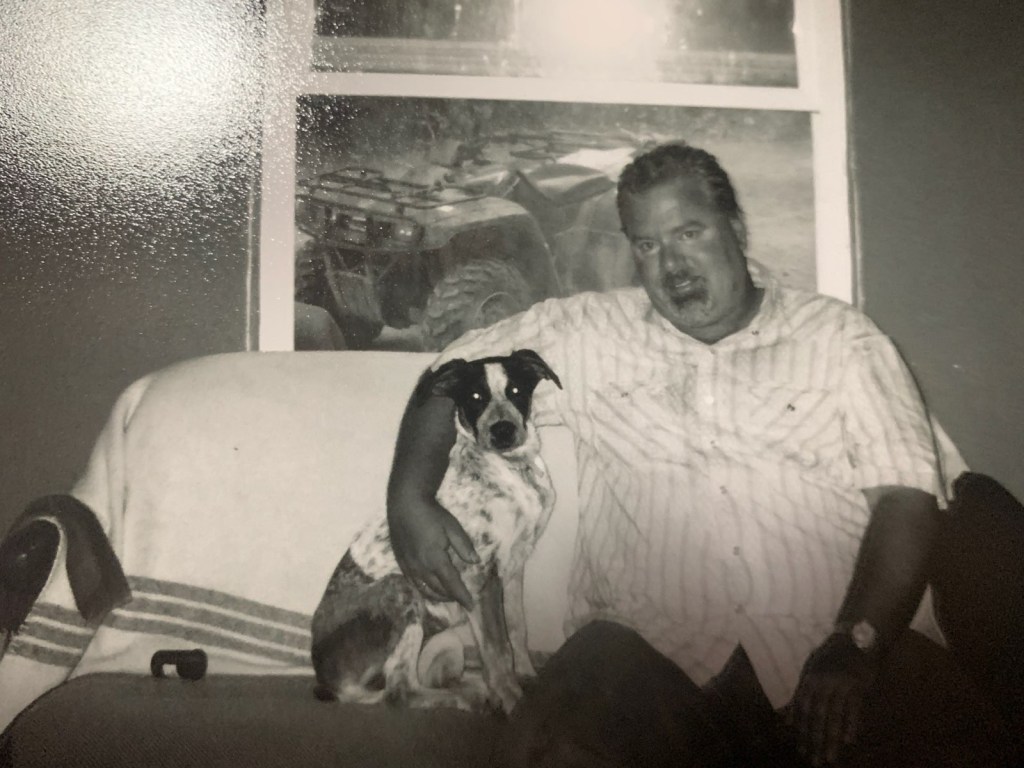
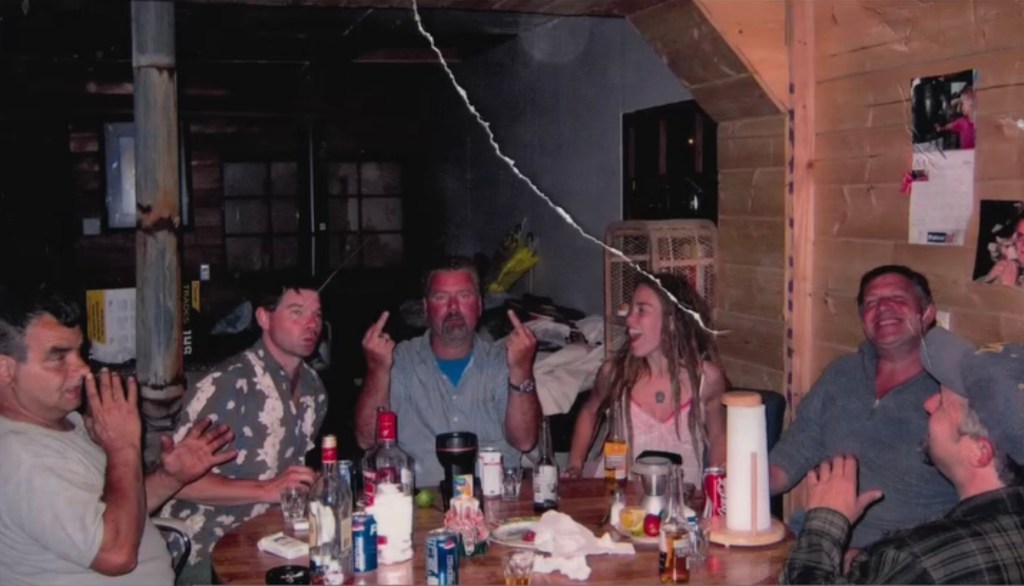
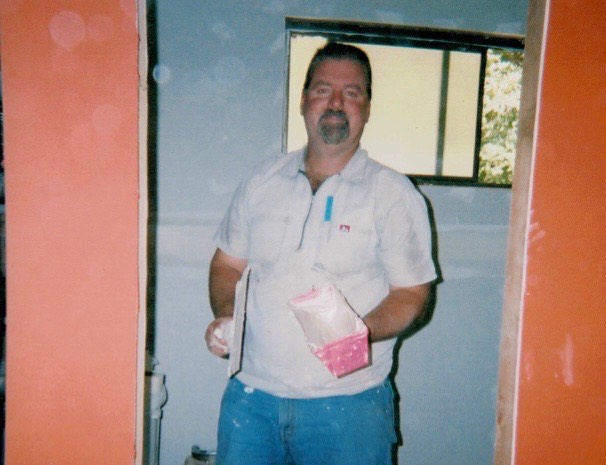
Founded in 1981 by Greg, Lost Creek has been operating in the Panther Gap area for over 40 years — making it one of the region’s longest-running legacy farms. Locals note Greg “knew most of the second generation of growers in the Valley.”
Pesticide Free
The farm is firmly rooted in the counterculture ethos of the Emerald Triangle, emphasizing pesticide-free, off-grid outdoor cultivation that aligns with the natural rhythm of the sun.
Off-Grid
The farm embraces off-grid stewardship, weaving heirloom elements like lilac from the founder’s New York family farm into the farm’s biodiversity — a nod to holistic, generational farming.
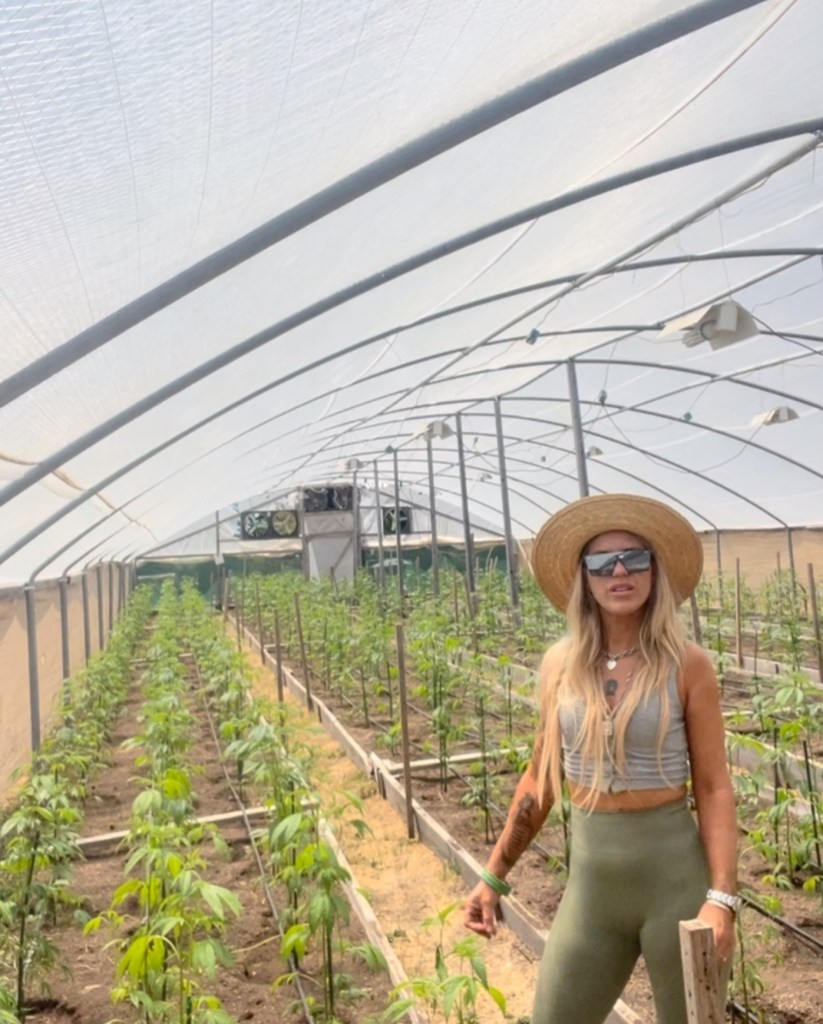
Mixed Light Cannabis
In July 2019, Lost Creek Farms, LLC obtained a Medium Mixed-Light Tier 1 cultivation license (CCL18‑0001721) from the California Department of Cannabis Control. This allows us up to 22,000 sq ft of canopy under the adult‑use program.
Regulation and Licensure
In 2019 we obtained our Conditional Use Permit (CUP) and special permits with Humboldt County’s Planning Commission. Our goals: establish compliant commercial cultivation on Panther Gap Road, with artisanal, sun-grown cannabis and environmentally conscientious practice.
Community Engagement
Positioned as a steward to the Mattole lands, the farm emphasizes low-impact operations, aligning with county environmental regulations and celebrating generational continuity. We maintain a deep commitment to environmental integrity, generational legacy, and community-based agricultural values.
Our History
Nestled in southern Humboldt County, Panther Gap is a microcosm of the region’s storied cannabis legacy: weaving together clandestine cultivation, environmental tensions, and the ongoing shift into legal operations. The region now stands at a crossroads—balancing cultural legacy with modern legality, striving to protect both environment and ethos.
Early Roots in the Emerald Triangle
- 1960s – 1970s: Counterculture migrants, drawn by cheap timber‑cut land, initiated small-scale, sinsemilla-based grows in secluded forested hills (including around Panther Gap) hand-in-hand with self-sufficient homesteading and selective breeding. This laid the foundation of Humboldt’s reputation for high-quality marijuana.
- 1980s – 1990s: As cultivation scaled up, the state’s Campaign Against Marijuana Planting (CAMP) aggressively targeted remote grows. Routine busts by CHP and DEA, often involving helicopters and terrestrial raids, became part of daily life—families remember helicopter flyovers and heavily armed raids near Panther Gap

Panther Gap Under the Radar
- 2016–2018: Authorities discovered hundreds to thousands of plants in the Panther Gap area—most illicit, lacking county permits.
- September 2017: Over 1,000 trespass plants were eradicated near Panther Gap.
- July 26, 2018: A sheriff’s operation removed ~3,018 plants on unlicensed land—part of a broader effort eradicating about 46,000 plants countywide.
- Environmental infractions—including illegal water diversions, stream sedimentation, grading, and waste dumping—were typical violations accompanying these grows.
Transition to Regulation
- 2016 Proposition 64 (Adult‑Use legalization) ushered in a regulatory framework requiring permits. The county began processing large Conditional Use Permits and Special Permits for mixed‑light commercial operations—some under names like “Panther Gap Farms” operating on parcels of 20+ acres with 35,000 sq ft canopies by 2018.
- 2019 onward: Licensed legacy farms emerge, such as Panther Gap Organic Ranch, LLC (Mixed-Light Tier 1), which received one of the first cultivation licenses in July 2019, legitimizing up to 10,000 sq ft of canopy under California’s legal adult-use framework.
Today and Beyond
- The shift to legality has been rocky: legacy growers contend with high compliance costs, competition from large cultivators, and are often squeezed by the very regulations meant to legitimize the industry .
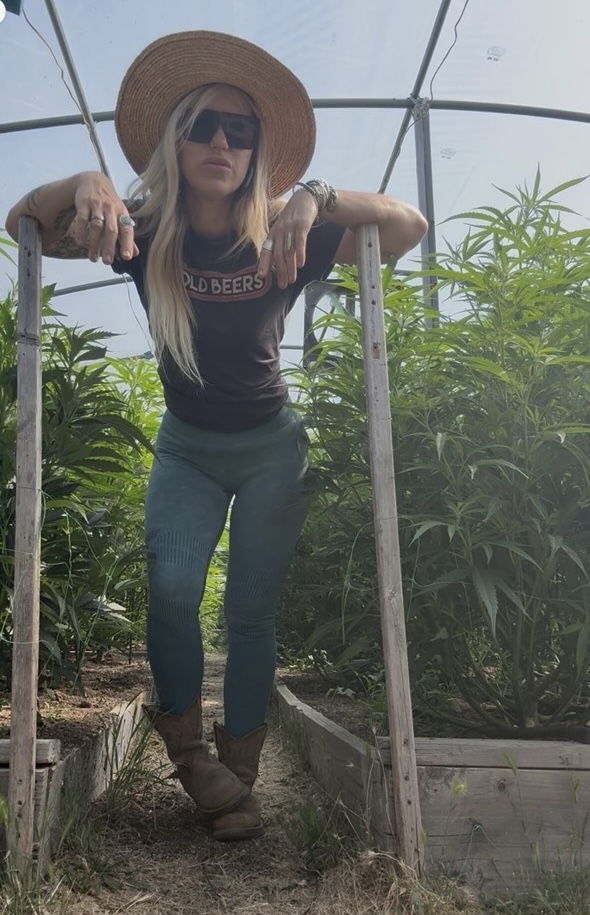
- Nevertheless, small licensed operations—especially those using mixed-light techniques—are carving out niches grounded in quality, heritage, and sustainability, aiming to preserve Panther Gap’s unique cannabis identity.
 Panther Gap